low carbon steel magnetic properties Steels mild conductivity angle
In today’s industrial landscape, low-carbon steel is a fundamental element used in a wide range of manufacturing processes. This material is favored for its excellent mechanical properties, affordable cost, and ease of production. Low-carbon steel, also known as mild steel, contains relatively low amounts of carbon and is composed mainly of iron and other elements like manganese, sulfur, and phosphorus. As a result, it has a considerable range of applications and is widely used in various industries, such as construction, automotive, and shipbuilding.
Understanding Low-Carbon Steel
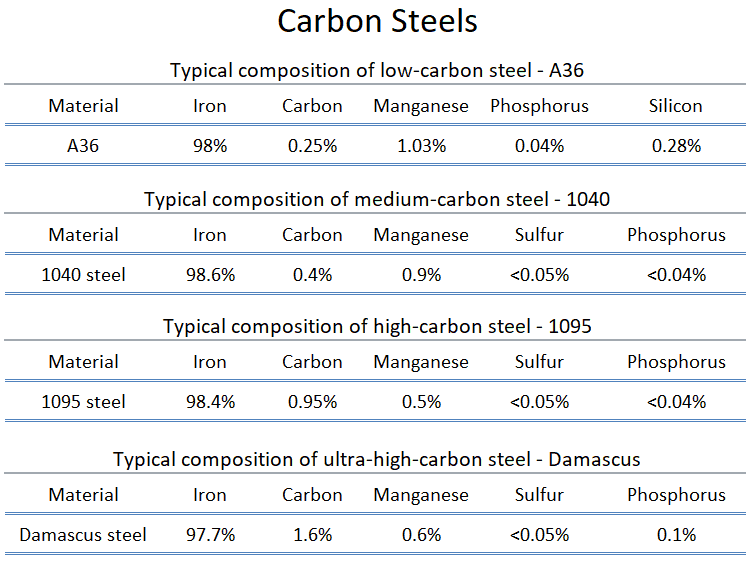
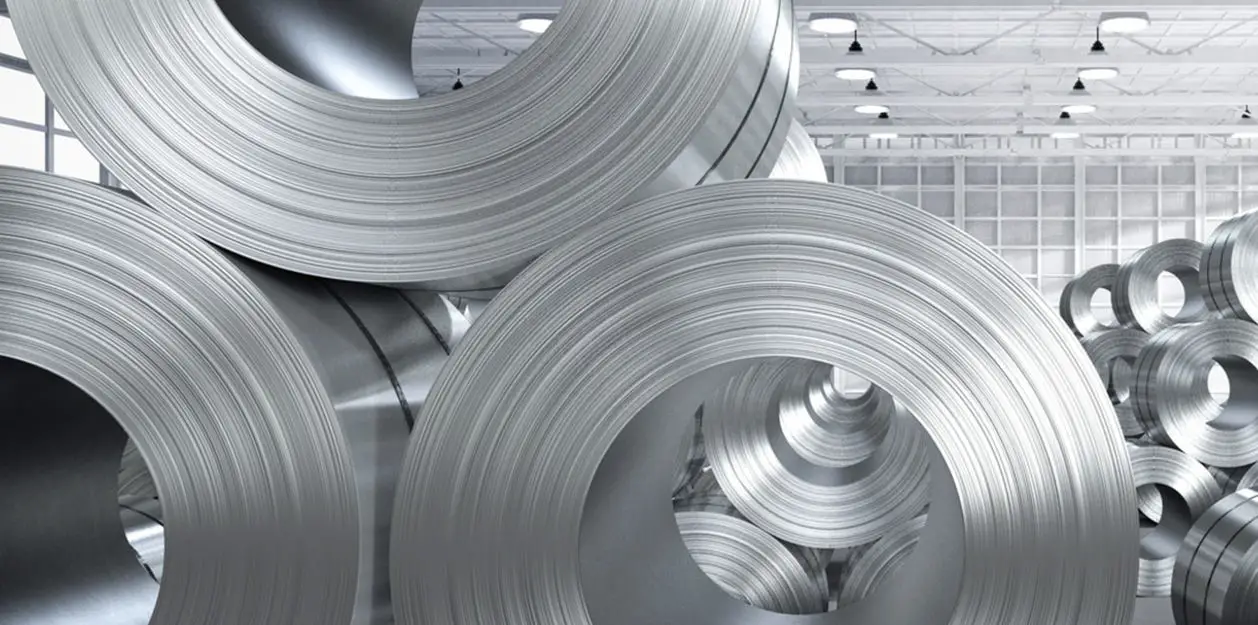 Low-carbon steel possesses a carbon content ranging between 0.05% and 0.25%. This composition results in a material with excellent ductility, strength, and toughness. Additionally, this steel has good weldability and is relatively easy to bend, cut, and shape using conventional manufacturing processes.
Low-carbon steel is produced using two primary methods: hot rolling or cold rolling. The hot-rolling process involves heating the steel until it becomes malleable and shaping it into the desired form using rollers. Conversely, cold-rolling begins by cooling the steel to below room temperature and then shaping it. The cold-rolling process yields a smoother surface finish and higher dimensional accuracy.
Magnetic Permeability of Steel
 One of the essential properties of steel is its magnetic permeability, which refers to the degree of magnetization that a material acquires when exposed to a magnetic field. Low-carbon steel is considered to be magnetically soft, meaning that it is highly permeable to magnetic fields and is easily magnetized and demagnetized. This magnetic property makes it suitable for use in the electrical industry to manufacture electromagnetic devices, such as transformers and motors.
However, the magnetic permeability of steel varies depending on several factors, such as the amount of carbon and other elements present in the alloy. Other factors that may influence the magnetic properties of steel include the manufacturing process, thermal treatments, and the presence of impurities.
Conclusion
In conclusion, low-carbon steel is an essential material used in many industrial applications due to its numerous benefits, including excellent ductility, good weldability, and strength. Additionally, the magnetic permeability of steel has made it useful in the electrical industry for manufacturing electromagnetic devices. It is important to note that while low-carbon steel is highly versatile, its properties can vary significantly depending on factors such as carbon content, manufacturing process, and thermal treatments.
If you are searching about Is carbon steel magnetic? (and Why?) [2022] - Simply Magnet you’ve visit to the right web. We have 5 Images about Is carbon steel magnetic? (and Why?) [2022] - Simply Magnet like útek z väzenia Wonder domýšľavý fe cr steel magnetic permeability, -physical properties of low carbon steel, electromagnetic conditions and also Is carbon steel magnetic? (and Why?) [2022] - Simply Magnet. Here you go:
Is Carbon Steel Magnetic? (and Why?) [2022] - Simply Magnet
![Is carbon steel magnetic? (and Why?) [2022] - Simply Magnet](https://simplymagnet.com/wp-content/uploads/2021/02/photo-1595251698237-284378e4ab18-2.jpg) simplymagnet.commagnetic steel
simplymagnet.commagnetic steel
útek Z Väzenia Wonder Domýšľavý Fe Cr Steel Magnetic Permeability
www.hierarchystructure.com-physical Properties Of Low Carbon Steel, Electromagnetic Conditions
 www.researchgate.netelectromagnetic geometrical
Steels - Properties Of Steels | Nuclear-power.com
 www.nuclear-power.comsteels mild alloys metals cons
What Is Price Of Low-carbon Steel - Definition | Material Properties
material-properties.orgsteels mild conductivity angle
Is carbon steel magnetic? (and why?) [2022]. -physical properties of low carbon steel, electromagnetic conditions. Magnetic steel