what foods to avoid when you have gerd Gerd foods suffer reflux acid trigger
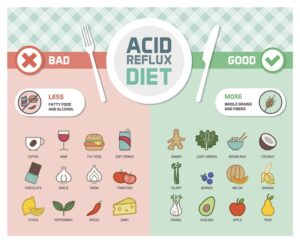
Living with a chronic illness can be a daunting task, and it’s important that you take every possible step to make the process as comfortable as possible. One of the primary ways to manage the condition is through your diet. The foods that we eat can play a significant role in both the onset and severity of symptoms. Hence, it’s essential to be mindful of the foods to avoid for gastroesophageal reflux disease (GERD). GERD is a common digestive disorder that affects millions of people worldwide. The primary symptom of this condition is heartburn, where you feel a burning sensation in your chest after consuming certain foods. The burning sensation is caused by stomach acid backing up into the esophagus. Fortunately, GERD can be managed through a combination of lifestyle changes, medication, and diet modification. It’s crucial to note that the foods that trigger GERD symptoms can vary from person to person. However, some foods are known to be common triggers or aggravators of the condition. The following are some foods to avoid if you are living with GERD: Firstly, high-fat foods can cause GERD symptoms to act up. Foods such as fried and fatty foods, hydrogenated oils, and whole milk products will sit in your stomach longer, thus triggering reflux. Therefore, it’s best to substitute high-fat dairy products with low-fat substitutes, such as low-fat yoghurt. Secondly, citrus fruits and tomatoes are high in acidic content that can cause GERD symptoms to worsen. They are naturally acidic and can irritate the esophagus. To avoid this, it’s best to limit or avoid citrus and tomato-based foods, such as orange juice, grapefruit juice, and tomato sauce. Thirdly, caffeine, alcohol, and carbonated beverages can cause GERD symptoms to worsen as they all directly affect the functioning of the esophageal sphincter. It’s best to avoid these beverages or substitute them with non-alcoholic, non-carbonated drinks. Finally, spicy and mint-flavored foods can trigger GERD symptoms. Mint is known to relax the esophageal sphincter muscles and can lead to reflux. It’s best to avoid these foods or substitute them with non-spicy, non-mint-flavored alternatives. By avoiding these trigger foods, you can effectively manage GERD symptoms and feel better equipped to manage your chronic illness. In conclusion, living with a chronic illness is no easy feat, but by making simple and practical dietary changes, you can find some solace. As always, consult your doctor or nutritionist if you have any concerns about your diet.
If you are looking for Pin on Living with a Chronic Illness you’ve came to the right place. We have 5 Pictures about Pin on Living with a Chronic Illness like GERD: Foods to Avoid & Foods That Help | Dr Malladi, GERD Diet Plan (Infographic) on Behance | Gerd diet, Gerd diet plan and also GERD: Foods to Avoid & Foods That Help | Dr Malladi. Here it is:
Pin On Living With A Chronic Illness
 www.pinterest.comgerd foods suffer reflux acid trigger
GERD: Foods To Avoid & Foods That Help | Dr Malladi
 www.drmalladi.comgerd
GERD Diet Plan (Infographic) On Behance | Gerd Diet, Gerd Diet Plan
 www.pinterest.comdiet gerd plan reflux infographic
Foods To Avoid For GERD (Gastroesophageal Reflux Disease)
 www.myfooddata.comreflux acid gerd foods avoid diet disease gastroesophageal reducing cause 3rd updated march 2021 last
Pin On Gerd
 www.pinterest.comgerd reflux gastritis gastroesophageal ecosh ulcer pylori hernia hiatus causes saves pattycooks heartburn stop
Foods to avoid for gerd (gastroesophageal reflux disease). Diet gerd plan reflux infographic. Gerd: foods to avoid & foods that help